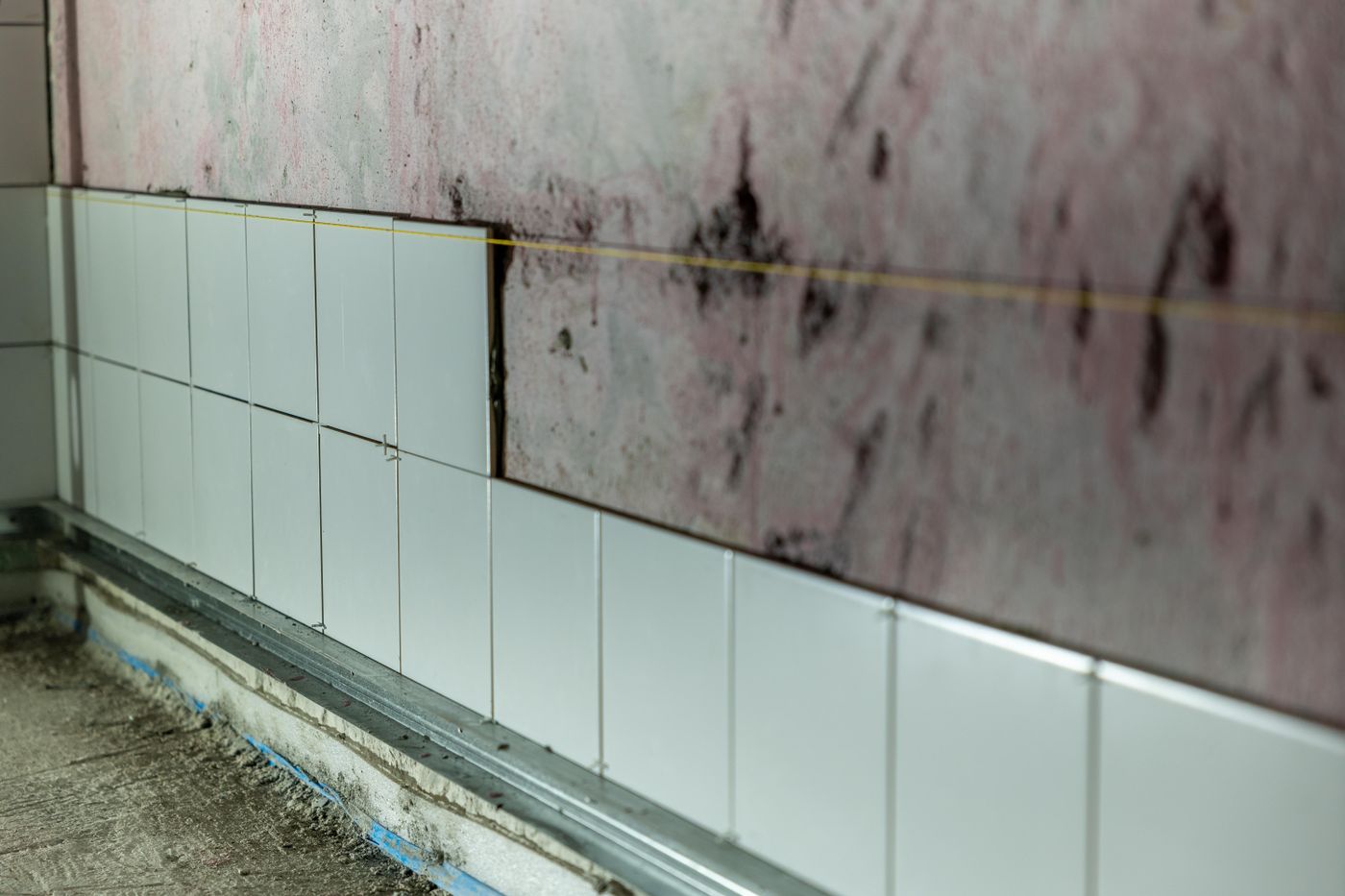
What mold remediation really covers
Mold remediation is the process of removing mold and, just as important, removing the moisture that let it grow. The whole mold remediation process is built around that second part. In Kent's damp Pacific Northwest climate, mold rarely needs an invitation. Give it water and a day or two, and mold growth can start inside walls, under carpet, around windows, or in a crawl space. It follows almost every water loss that is not dried out fast: a burst pipe, a roof leak, a flooded basement, or slow condensation no one noticed.
The 24 to 48 hour window matters. That is roughly how long damp materials can sit before mold spores that are already in the air find them and take hold. Once that happens, cleanup stops being a wipe-down and becomes remediation: a controlled job that contains the area, removes what is contaminated, and returns the air to normal spore levels. Painting over the visible signs, a common shortcut, hides the problem without touching it.
Moisture comes first, always
The single biggest mistake with mold is treating the stain and ignoring the source. Bleach or paint on a wall does nothing if water is still feeding the colony behind it. That is why the crew starts every job by finding the moisture: a leak, high humidity, poor ventilation, or a wet crawl space, and confirming it with meters rather than a look. Damp conditions are the one thing every mold species needs.
Fix the water problem and the growth has nothing to live on. Skip it, and the colony comes back in the same spot within weeks. Real remediation always pairs removal with drying and moisture control, which is the part a quick cleanup skips and the reason it fails.
Containment and HEPA filtration
Disturbing the growth sends spores into the air, so the work has to be sealed off before it starts. The crews we connect you with build containment with plastic sheeting and put the work area under negative air pressure, meaning air flows into the sealed zone and not out of it, so spores cannot drift into clean rooms. HEPA air scrubbers (filters fine enough to trap mold spores) run throughout to pull them out of the air and protect the home's air quality.
Inside containment, porous materials that are too far gone, like soaked drywall, carpeting, and insulation, come out and get bagged for disposal. Surfaces that can be saved are HEPA vacuumed and scrubbed. The team also wears protective equipment and clothing, because breathing concentrated spores is exactly what causes the health effects it is known for. The goal is not a sterile house, which is impossible, but bringing spore levels back down to what is normal for the outdoor air.
Testing, removal, and what "remediation" really means
People often ask whether they need a mold test. Usually not to get started: if you can see it, spot black mold on a wall, or smell that musty odor, you already know you have a problem, and testing does not change the need to remove it and dry the source. Testing earns its keep in specific cases, when the mold is hidden and the source is unclear, when someone has health concerns, or when you want to confirm afterward that the project worked and the property is clean.
It also helps to know the words. Mold removal means taking it out. Mold remediation is the whole job: inspection, containment, removal, cleaning, and moisture control so it does not return. Because mold spores live in the air everywhere, no honest crew or restoration company promises zero mold forever. What good mold cleanup delivers is a home brought back to normal, healthy levels, with the water problem that started it actually fixed. If you see or smell mold anywhere in your Kent home, call day or night and get it looked at before it spreads through more of the building.